
Guide · Updated October 22, 2026
What is the “duty to mitigate” after home damage?
The short answer
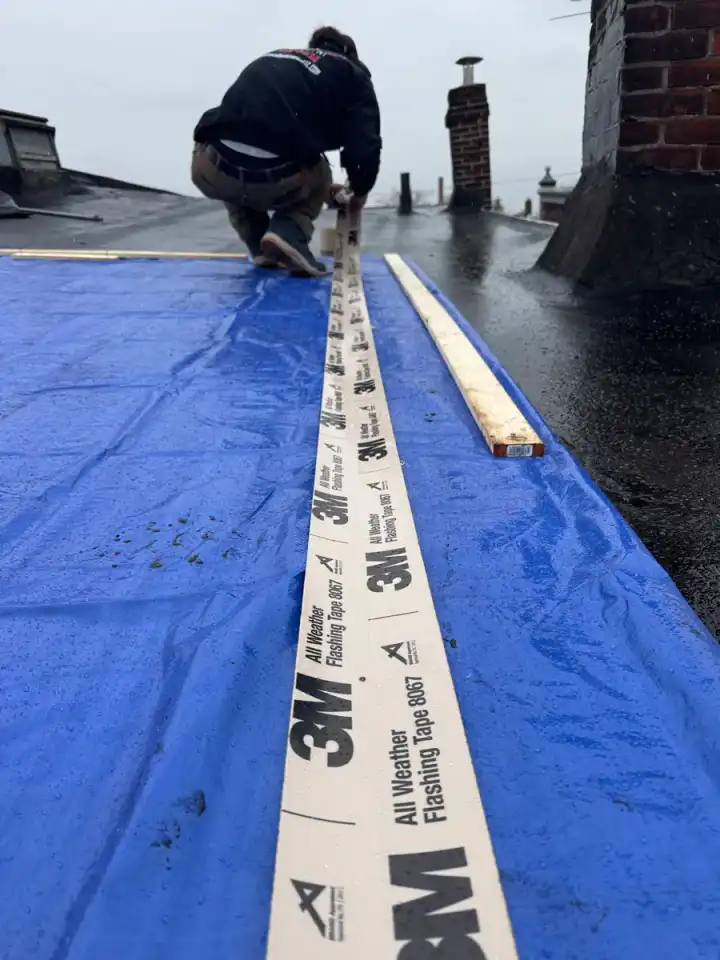
Homeowners have a contractual “duty to mitigate” damages: after a loss, you’re expected to take reasonable steps to prevent further damage, such as shutting off the water, tarping a damaged roof, boarding up broken windows or winterizing the plumbing. Damage that gets worse because those steps weren’t taken may not be covered, so act quickly and keep records of what you spend.
What it means
Standard homeowners policies list duties you have after a loss. One of them is protecting the property from further damage. Your insurer pays for the damage the event caused, but it may not pay for damage that spread because nothing was done to stop it: the mold that grew because a flooded basement sat for a week, or the ceiling that fell because the roof was never tarped.
What counts as reasonable
Reasonable steps are temporary, emergency measures, not permanent repairs. For example:
- Tarping a damaged roof
- Shutting off the water
- Boarding up broken windows and doors
- Winterizing the plumbing in a damaged, unheated building
- Extracting standing water and starting to dry the structure
What you don’t have to do
You don’t have to make permanent repairs before your adjuster sees the damage, and you shouldn’t throw away damaged property before it’s documented. Mitigation stops the damage from getting worse; the rebuild comes after the claim.
Keep records
Photograph the damage before and after the emergency work. Keep receipts and invoices for everything you spend to protect the property. Reasonable mitigation costs are generally part of the claim, but check your policy or ask your agent.
How a restoration company helps
A restoration company does the emergency steps for you, any hour, and documents them with photos and moisture readings. We can bill your insurance provider directly.
General guidance from Reliance Restoration, a restoration contractor. Every home, policy and situation is different; for anything urgent, call us or your insurer. Published October 22, 2026.
Questions
People also ask
Do I have to wait for the adjuster before calling a restoration company?
No. Waiting can let the damage spread, which works against your claim. Document the damage, then start mitigation right away.
Will insurance pay for emergency board-up or water extraction?
Reasonable emergency measures to prevent further damage are generally part of a covered claim. Coverage depends on your policy, so check it or ask your agent, and keep every receipt.
More guides
24/7 emergency service
Something happened? Call now.
(215) 395-9978Tell us what happened and where. We’ll tell you what to do until we get there, then we handle it from start to finish.